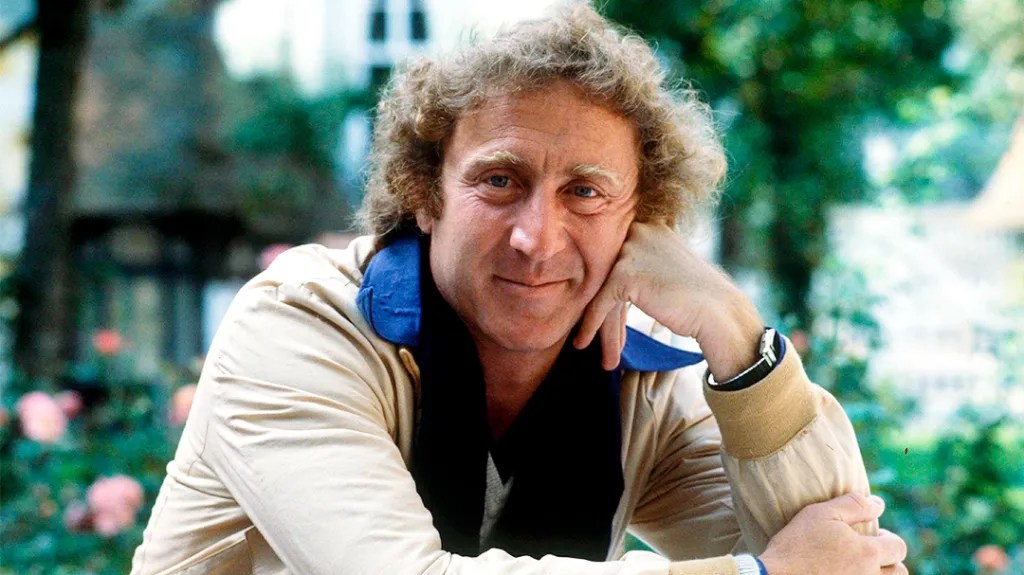

Gene Wilder was one of the most formative comedic actors of the 70s and 80s, with a filmography that spans decades, including a number of now iconic works. Ron Frank’s documentary, Remembering Gene Wilder, serves as a heartfelt memorial to the legend, and a fun look at some of his most notable works.
Fans of Gene Wilder are sure to enjoy the nostalgia filled look at some of Wilder’s most iconic works, and the film does well to emphasize the immense comedic talents of the legendary actor. However, it maybe wouldn’t serve too well for someone who was less familiar with Wilder’s work.
The film sets the scene by going back to Wilder’s roots: interviewing family members about his youth and childhood. It’s here where we learn that Wilder’s affinity for comedy actually stemmed from a conversation he had with his mother’s doctor. After his mother, who suffered from a lifelong heart condition, had a heart attack, her doctor told a young Gene to never argue with his mother. “It may just kill her,” the doctor said. The documentary then cuts to an interview of Wilder explaining how that conversation ultimately made it easy for him to dip into his signature ways of sudden outbursts that paved way for some of his most iconic moments in film, such as Willy Wonka’s “You lose!” monologue at the end of Willy Wonka, or Leo’s “I’m hysterical and I’m wet!” breakdown in The Producers. He said he ultimately felt forced to suppress any anger, out of fear of triggering his mother’s health condition, and thus it was easy for him to tap into pent up rage.
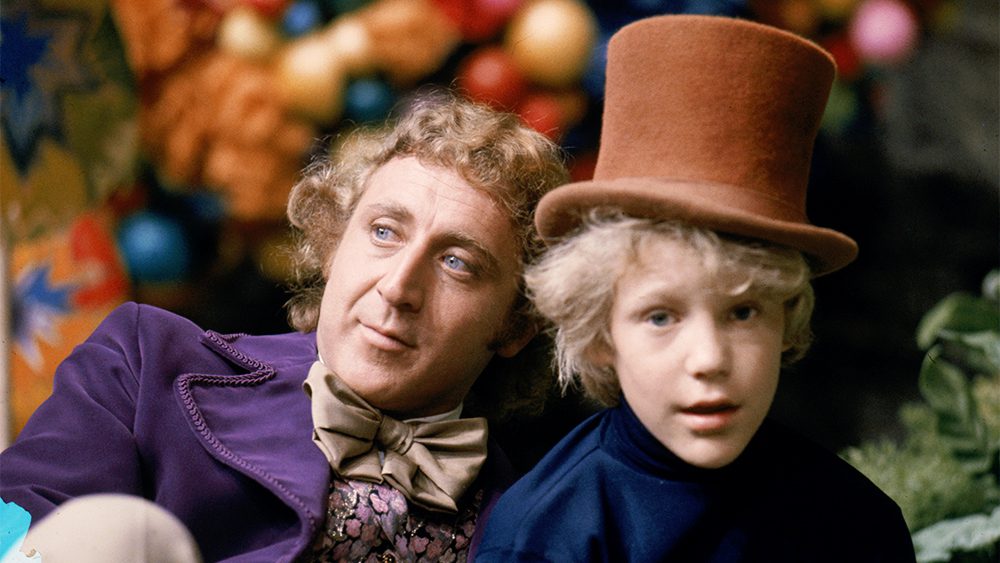
From there, the film feels more like a tribute than a documentary, guiding the viewer through some behind-the-scenes stories of some of Wilder’s most notable works; from his film debut in Bonnie and Clyde (1967), to his work with Mel Brooks in The Producers (1967), Young Frankenstein (1974), and Blazing Saddles (1974), to his arguably most iconic role of Willy Wonka in Willy Wonka and the Chocolate Factory (1971). The film is able to tout a number of different perspectives from some of the people who knew Wilder best, including Mel Brooks, Peter Ostrum (who played Charlie in Willy Wonka), and Karen Boyer, who Wilder was married to from 1991 until his death in 2016.
Fans of the aforementioned films are sure to enjoy the behind the scenes takes, with stories that manage to capture the essence of what Wilder was like when the camera wasn’t rolling. One of the more memorable behind the scenes stories includes Mel Brooks telling the story of how he and Wilder got into an argument over whether or not the iconic “Puttin’ on the Ritz” sequence should be included at the end of Young Frankenstein. Wilder, who was a co-writer of the screenplay, adamantly advocated for it, while Brooks believed including the scene would veer too far out of the macabre feel of the horror films of the 30s in which they were attempting to parody. Brooks eventually conceded after seeing how passionately Wilder felt about the scene, which is now one of the most iconic moments of the film. The film is frankly worth the watch to hear the stories of Mel Brooks alone.

The film also touches on some of the heavier moments of Wilder’s life, including his cinematic partnership with Richard Pryor, who was at the height of his struggles with alcoholism and substance abuse, to his marriage to Gilda Radner, who passed away in 1989 from ovarian cancer. The documentary never fully goes into too much detail on either front, which simultaneously feels tasteful and glazed over. It’s understandable that delving too far into such heavy subject matter would do a disservice to all involved, but these parts of the film feel a bit rushed.

However, they all lead into one of the more endearing moments of the film, where Wilder’s later life is discussed, including his marriage to Karen Boyer, who was a clinical supervisor for the New York League for the Hard of Hearing. Boyer coached Wilder on lip reading in preparation for his role in See No Evil, Hear No Evil. From there unfolds a beautiful love story, but also a tragic ending.
In 2013, Wilder was diagnosed with Alzheimer’s Disease. While he kept this diagnosis private from the public life, Boyer pulls the curtain back on what his final years were like. This includes pictures and footage that shows a Wilder who seems to become more and more distant from himself, in a way that strikes very close to home for anyone impacted by Alzheimer’s. It’s a bit hard to watch at times, but it still remains heartfelt, as the support and love that Wilder had from so many until the very end is made all the apparent.
Ultimately, Remembering Gene Wilder is a fun watch for any fan of the actor. While it does not necessarily offer anything groundbreaking, it’s a sweet tribute to a comedic legend.



 Culture Cabinet
Leave a comment