

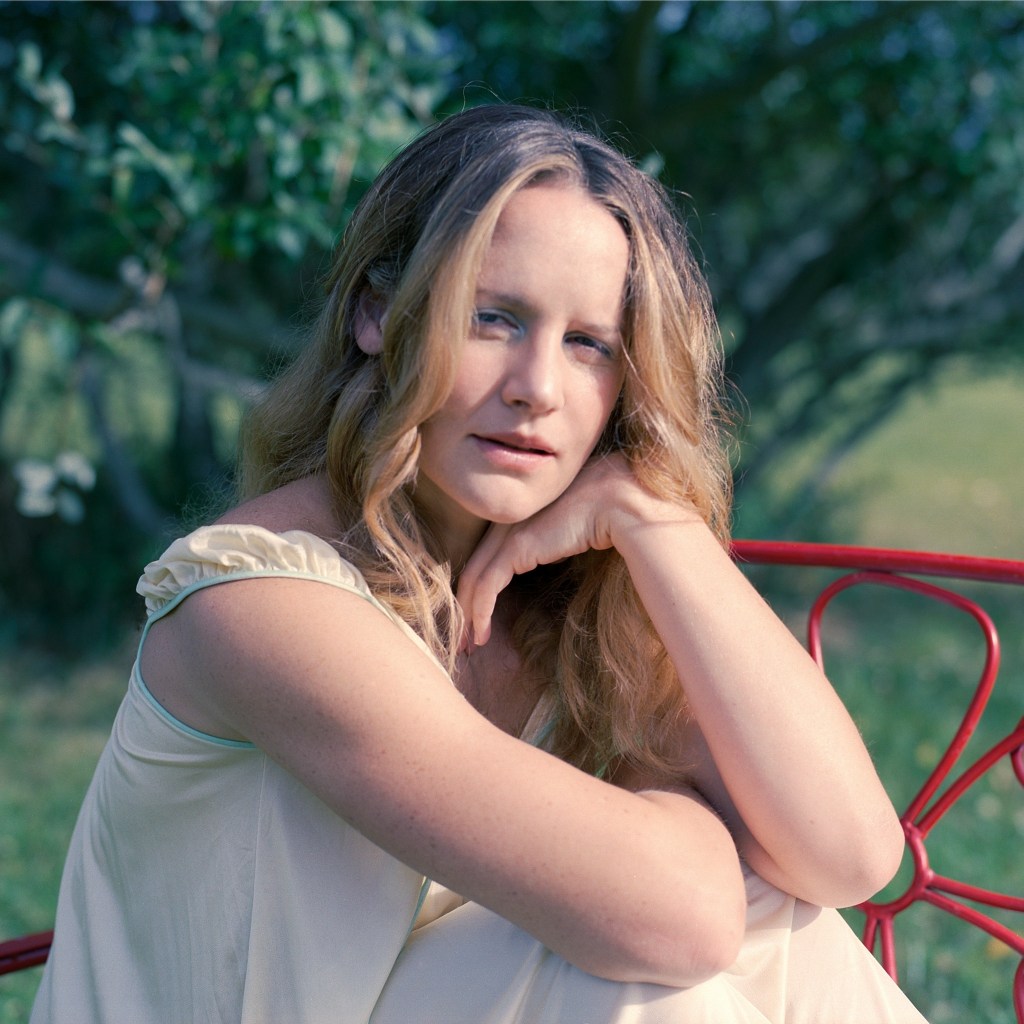
After years of pushing boundaries in country music and navigating the complicated machinery behind the Nashville spotlight, Kalie Shorr is finally exactly where she wants to be.
“I feel like I’m a child of the internet, for sure,” Shorr says in an interview with Culture Cabinet, dialing in from Los Angeles, the city that gave her the freedom to reboot both her life and her sound. “I fell in love with music at a very, very young age. I’m the youngest of seven kids, so I got all their different tastes of music. My brother loved rap, my sisters loved country, and my dad showed me Pearl Jam when I was six years old. I just absorbed it.”
Shorr, a gold-certified songwriter and podcast host, made waves in the country world with her breakthrough single “Fight Like a Girl,” a fiery, autobiographical anthem that set the stage for a career marked by emotional honesty and fearless self-reflection. But as her music evolved and her personal life shifted, she found herself increasingly boxed in by industry expectations, particularly when it came to her identity.

“I started ‘My Type,’ the single, in 2017 and wasn’t able to put it out because my team at the time told me that I had to change the pronouns,” she recalls. “And I felt like I compromised the entire point of the song. So, that got exhausting.”
The track, now the title of her latest EP, which is out now, is a darkly catchy, distortion-laced confessional about being magnetically drawn to toxicity, no matter the gender. “Somehow managing to have the same type across such a broad spectrum of people,” she quips.
Shorr found that moving to LA not only helped her grow as an artist, but it also helped her find some clarity in her personal life and identity. “As soon as I moved to LA, I just felt so at peace,” she says. “I felt safe to come out of the closet for the first time because I’d been highly suggested by my old team that I should stay in the closet as a country artist.”
And thus paves the way for My Type, a bold and cathartic six-track EP that balances early-2000s alt-rock nostalgia with the visceral intimacy of a diary entry. Shorr produced and engineered much of the record herself, which she says is an intentional move toward full creative agency.
“This is my first project where I’m able to fully be myself in every aspect,” she says. “I’ve always been really honest in my music, but there are parts of myself that I didn’t talk about, like being queer.”
She describes the songwriting process as revisiting old “journal entries,” each track rooted in a very specific emotional moment. “A song is like a three-minute photograph of a moment in time. I might write a song about an emotion I’ll never feel again, but remembering how I felt when I wrote it, that makes it real. Even if it was temporary, it doesn’t make it any less valid.”
And yet, not every song comes from years past. Tracks like “When in Rome” and “Choke” were written in the last year, reflecting more recent heartbreaks and revelations. “It’s interesting to be singing about such a broad spectrum of breakups,” Shorr muses. “Like ‘Unkiss,’ I literally do not care about that person anymore at all. Whereas with ‘When in Rome,’ I’m still emotional singing it.”
As Shorr reconnects with audiences through touring, most recently playing Pride and major showcases from coast to coast, she’s learning just how varied her fanbase really is. “It’s interesting because people discover me through different things. Maybe they heard a breakup story on TikTok or a podcast interview, and then they find the music. I’ve got this very interesting group of fans who don’t really care so much what the music sounds like, and more about what it says.”

This is intentional. For Shorr, lyrics have always come first, and her audience reflects that. “I feel like it’s set me up for a group of fans who care what I have to say, and aren’t just listening to a song in the summer where they can’t hear it over the boat motor,” she says.
Despite the confessional nature of the EP, Shorr is clear that it’s only scratching the surface. The project is a bridge to a more expansive body of work, including a full-length album, where she plans to dive deeper into the “why” behind her personal patterns and traumas.
“The EP is just exploring my approach to relationships and dating, but everybody is so much more interesting than the people they’ve dated,” she says. “My songs are starting to talk about things like leaving the evangelical church and my opinion on women’s reproductive rights.”
With My Type, Kalie Shorr lays the groundwork for a new era of unapologetic self-exploration. “After I write it, I’m not the main character in the song anymore,” she says. “It’s everyone else. And that makes it easier to still care, even if the situation is long gone.”


 Culture Cabinet
Leave a comment