
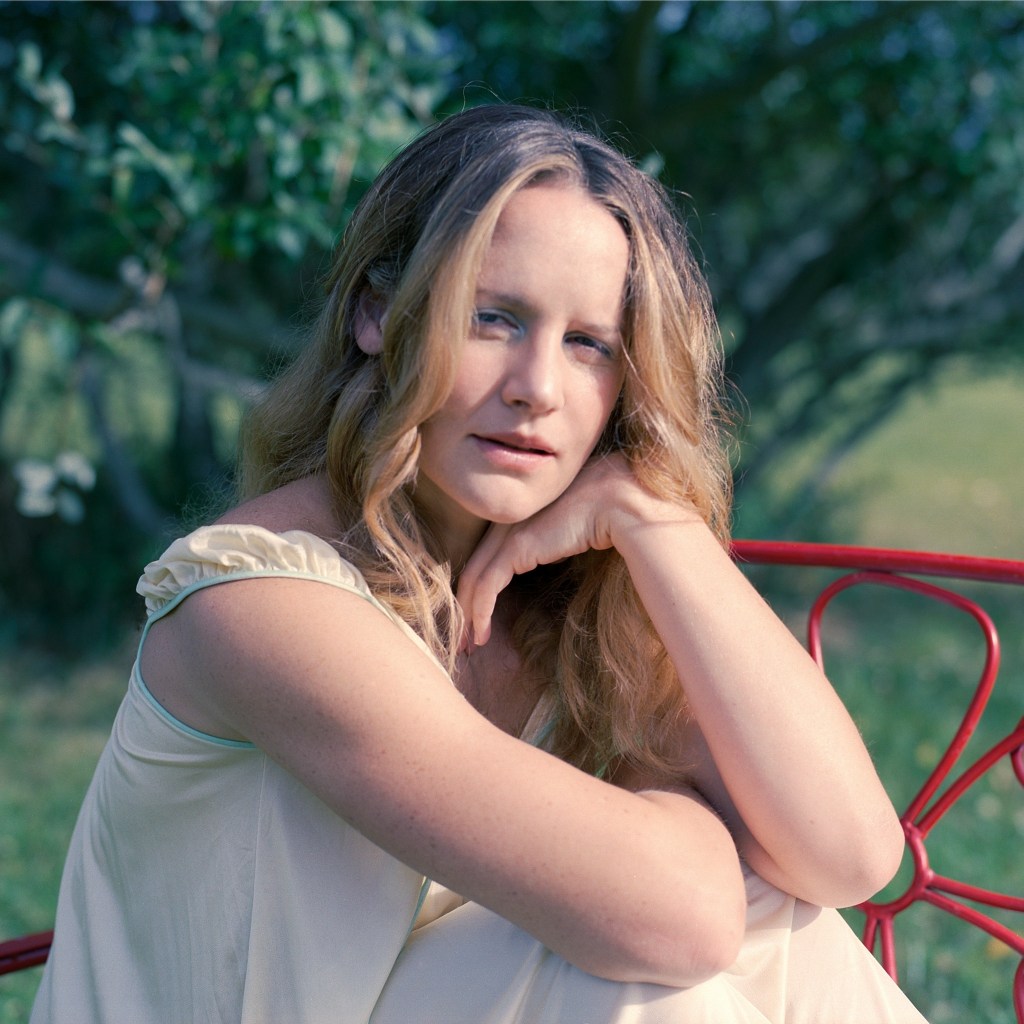
Despite the fact that it is quite literally my job to describe someone’s sound, I find myself at a loss for words for how best to describe Elly Kace. Ethereal? Disarmingly alive? Perhaps, that’s a good thing. Perhaps, Elly Kace wasn’t meant to be held down into any specific boundary, but instead, transcend into a sound that carries a fluid movement.
That sense of fluidity carries through her new album The Seventh Gate, out now. It’s an album shaped by discipline, grief, intuition, and an evolving belief in sound as a form of medicine, which as a huge proponent of sound healing, made me eager to speak with her. Speaking about the project, Kace reflects on a path that feels almost unrecognizable even to her former self. “How did I get here to this thing that I’m doing now?” she asks, almost with a laugh, when asked of what this evolution was like. “Five years ago, I don’t think [my younger self] would recognize me,” she says, describing the distance between her operatic beginnings and her current practice rooted in mysticism and sound healing.
Despite a much more serene and spiritual path now, Kace’s early years were much more rigorous and structured. She started with years and copious amounts of time spent in classical training, which demanded structure and repetition, a period she now frames as essential scaffolding, despite it not necessarily finding it creatively fulfilling. “The opera life is so focused, and it needs to be so, because to develop those skills, you really have to throw your whole self into them,” she explains. That intensity built a technical framework, but it also left little room for spontaneity. Her shift began gradually, but it was ultimately accelerated by the COVID-19 lockdown in 2020, as she found herself turning to meditation and stillness to help cope with the sense of loss. “I started letting my voice do what it wanted to do, instead of what I told it to do,” she recalls, describing the transition from control to intuition.
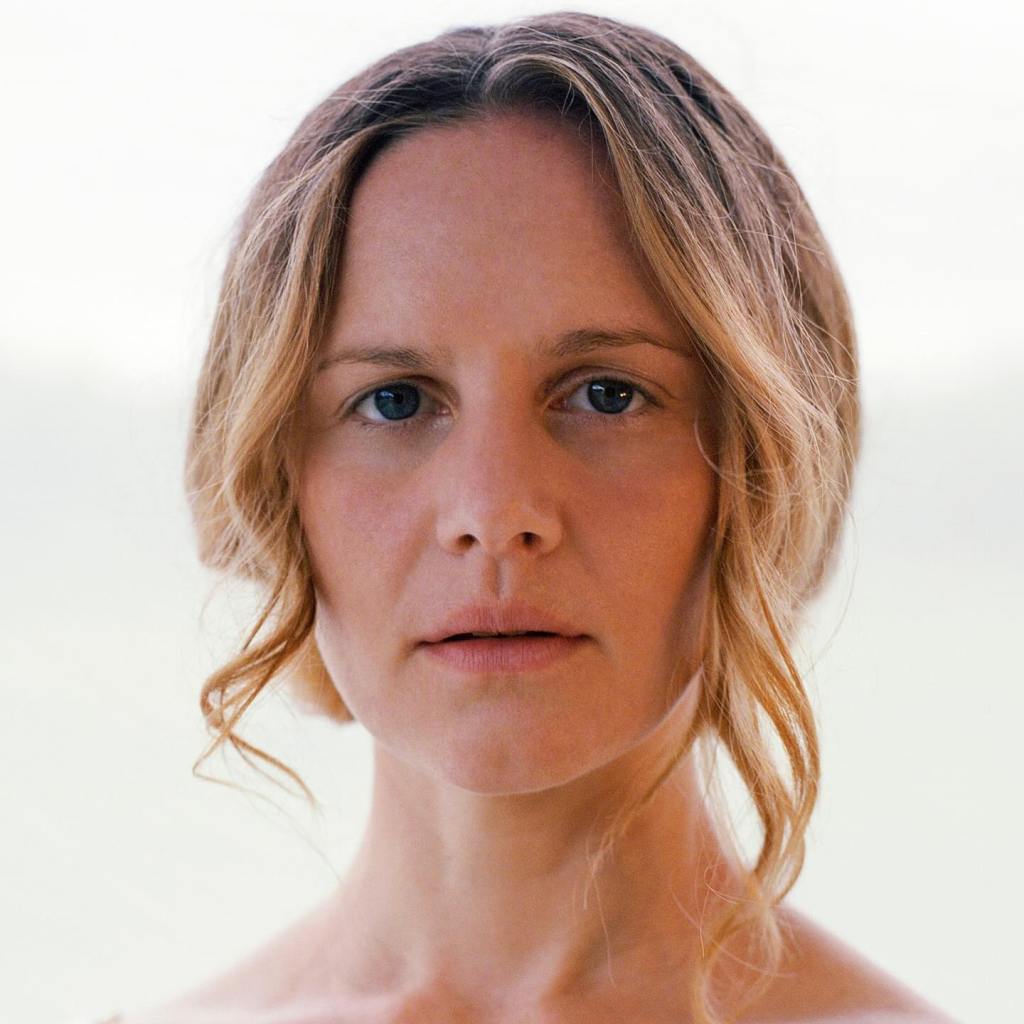
That balance between structure and surrender defines The Seventh Gate. Kace often describes her evolution through the interplay of opposing energies. Classical training, she says, became “that structure that holds the wildness within us,” while her more recent work leans into instinct and improvisation. Rather than rejecting or forcing either side, she prefers to sit in their coexistence. “I find myself in this place where those pieces are starting to come together. To add it all together into this pop music,” she says. The result is an album that blends meditative textures with melodic songwriting, offering a listening experience that feels both grounded and otherworldly.
From childhood, music felt less like a pursuit and more like an identity. “When I was little, it wasn’t even, ‘What are you going to be when you grow up?’ It was just, ‘I’m a singer,’” Kace says. That early certainty eventually gave way to the pressures of training, where expectations reshaped her relationship with sound. Over time, she’s moved back toward a more instinctual approach. “Now I’m more like that little version of me. I don’t care if it’s perfect by some standard. I care that I feel something from [my songs].” The emphasis on emotional resonance over technical correctness informs both the album and her broader philosophy of sound as a healing tool.
Collaboration played a crucial role in bringing The Seventh Gate to life. Though much of her earlier work was solitary, Kace sought community for this record, inviting musicians into a shared creative space. “Every single experience that I have changes my instrument. Every time my body is in a space making sounds with another being, it is changing and being informed by that,” she says. The process became less about control and more about exchange, a living conversation between performers. “Everyone that came into this space with me helped me find more of my truth,” she adds.
That communal spirit extends beyond the studio. Kace treats performance as participatory, encouraging audiences to sing and engage during her live performances, which often include a sound bath. “The audience singing with us also changes it and changes me. It’s this living, breathing thing that just continues,” she explains. In her view, music isn’t static, as it thrives on every interaction, each listener subtly shaping its meaning.
Underlying the album is a growing confidence in her spiritual perspective. While meditation and personal loss deepened her introspection, the act of writing clarified how she wanted to express it. “The song writing of this album sort of led me to [realize] how I was meant to embody it and share it,” she says, hoping that openness might encourage others to explore their own intuition. The title itself, the idea of the Seventh Gate, signals a transition in itself, as it’s rooted in the spiritual idea of reaching the highest stage of spiritual ascension. “It’s this true stepping over the threshold, boldly into the light,” she explains, adding that the project is her own declaration of self-acceptance and vulnerability.
Even as The Seventh Gate explores existential themes, its core intention is simple. “I want people to feel safe, to be themselves, to live from vulnerability, to be open to the unknown,” Kace says. The album becomes an invitation rather than a statement, a space where discipline and intuition, grief and healing, solitude and community can all coexist.

“I care that I feel something,” Kace says of the music’s purpose. And, on The Seventh Gate, that belief is a North Star, transforming sound into something both deeply personal and quietly communal.
More information on Elly Kace can be found here.


 Culture Cabinet
Leave a comment